




If your Chevy heater is blowing cold air at idle but warms up when you start driving, there may be a problem with coolant level, coolant circulation, or the vehicle's heating system. Low engine coolant, trapped air in the cooling system, and restricted heater-core flow are several possible causes. A thermostat problem or malfunctioning climate control component may also contribute. While weak cabin heat can seem like a minor inconvenience, some causes may also affect the engine's cooling system and require prompt attention.
For Chevrolet owners around Mansfield, Ontario, Lexington, and Shelby, dependable cabin heat becomes especially important during cold Ohio mornings. Whether you drive a Chevrolet Equinox, Traverse, Silverado, Malibu, or another gasoline-powered model, understanding why your heater changes temperature between idling and driving can help you recognize when professional service is necessary.
Quick Answer: Why Does My Chevy Heater Only Work While Driving?
If your Chevrolet produces warm air while moving but blows cooler air while stopped, hot coolant may not be circulating effectively through the heater core at lower engine speeds.
Low coolant or trapped air can interrupt heater-core flow. A partially restricted heater core or cooling-system circulation problem may also become more noticeable when the engine is idling.
If the engine isn't reaching its normal operating temperature, a thermostat problem may deserve investigation. Climate-control components can also cause inconsistent heating.
What should you do? Pay attention to the temperature gauge, warning lights, coolant loss, and any signs of a leak. Schedule diagnostics if the heat repeatedly disappears. If your engine overheats, stop safely and arrange assistance rather than continuing to drive.
How Does Your Chevy's Heater Work?
In most gasoline-powered Chevrolet vehicles, the passenger cabin is heated using warmth generated by the engine.
As the engine operates, coolant circulates through the engine to absorb heat and help maintain the correct operating temperature. Some of that heated coolant flows through a component called the heater core, located inside the vehicle's heating and ventilation system.
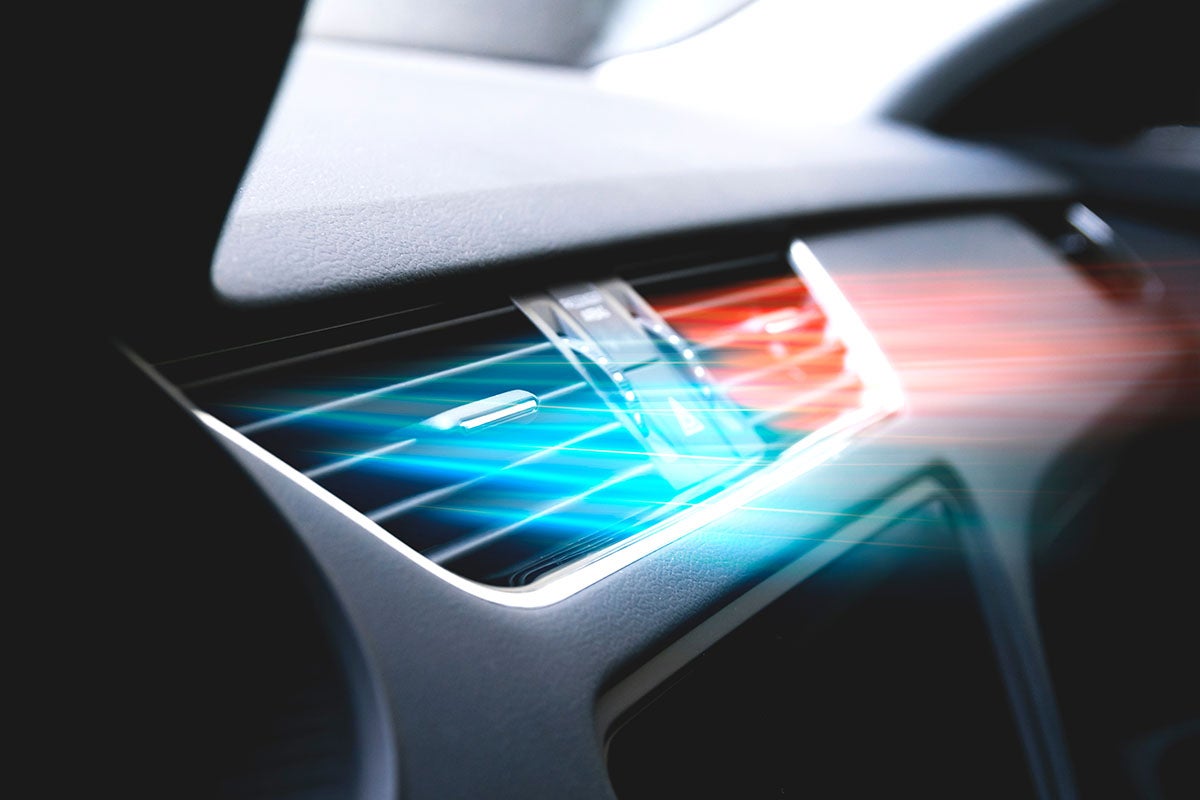
The heater core works much like a small radiator. A blower fan moves air through the HVAC system, while temperature controls direct air across the heater core to warm the passenger cabin.
When everything works correctly, the system provides consistent heat once the engine reaches an appropriate operating temperature.
However, if coolant is low, circulation is restricted, or the climate controls aren't directing air correctly, cabin heating can become inconsistent.
Why Can the Heater Get Warmer When You Accelerate?
In many engine designs, coolant-pump operation changes with engine speed. If a cooling-system problem is restricting heater-core flow, the additional circulation available at higher engine speeds may temporarily improve cabin heat.
That helps explain why some drivers notice cold air at a stoplight but warmer air after returning to the road.
Still, this symptom does not automatically mean the water pump has failed. Coolant level, trapped air, heater-core restrictions, and other problems should be considered before any component is replaced.
Common Causes of a Chevy Heater Blowing Cold Air at Idle
Several issues can cause the same symptom. The following are common areas a technician may inspect when a Chevrolet's heater works while driving but not when stopped.
1. Low Engine Coolant
Low coolant is an important possibility when cabin heat changes with engine speed. The heater core depends on an adequate supply of hot coolant to provide consistent warmth.
If the coolant level drops, the heater circuit may not receive enough coolant, or air may enter parts of the system. The result can be weak heat, intermittent warmth, or cold air from the vents.
Coolant loss may result from leaks involving hoses, the radiator, water pump, reservoir, heater core, or other cooling-system components.
Warning signs may include:
- Repeatedly low coolant levels.
- Visible coolant beneath the vehicle.
- A sweet or unusual odor associated with coolant.
- Inconsistent cabin heating.
- Rising or fluctuating engine temperatures.
Important: Low coolant can affect more than passenger comfort. If the engine loses too much coolant, overheating and mechanical damage may occur.
Repeatedly adding coolant without identifying the cause of the loss is not a reliable long-term repair.
2. Air Trapped in the Cooling System
Air pockets can interfere with coolant circulation, especially when they affect the heater-core circuit.
Air may enter the system after a coolant leak or when the cooling system hasn't been filled and purged correctly following a repair.
Possible symptoms include intermittent cabin heat, unusual temperature changes, or gurgling sounds from the heating system in some vehicles.
If your heater started acting differently after a radiator repair, hose replacement, or coolant service, mention that timing when scheduling diagnostics.
Removing trapped air requires the correct vehicle-specific procedure. Improper filling or bleeding can leave air in the system and contribute to further problems.
3. A Partially Restricted Heater Core
The heater core contains narrow passages that allow heated coolant to transfer warmth into the passenger cabin.
Over time, contamination or deposits inside the cooling system may restrict coolant flow through those passages.
A partial restriction may become more noticeable when the engine is idling because coolant flow may already be relatively limited.
Drivers may notice that the heater produces some warmth while moving but struggles to maintain the same temperature while stopped.
A technician can evaluate coolant flow and heater-core temperatures to determine whether a restriction is present.
A heater-core flush or replacement should not be recommended automatically. The right repair depends on the actual condition of the system.
4. A Thermostat That Isn't Operating Correctly
The engine thermostat helps regulate coolant temperature by controlling how coolant circulates through the cooling system.
If a thermostat remains open when it should be closed, the engine may take longer to warm up or struggle to maintain its intended operating temperature in cold weather.
That can leave less heat available for the passenger cabin.
A thermostat problem may be more likely when the engine temperature gauge stays unusually low or the heater remains weak even after an extended drive.
However, a thermostat stuck open does not necessarily explain heat that returns immediately with higher engine speed. Low coolant or a circulation issue may better match that particular pattern.
A technician should evaluate engine temperature and thermostat operation before recommending replacement.
5. Coolant Circulation or Water Pump Problems
The water pump helps circulate coolant through the engine and cooling system. If circulation is insufficient, heater performance may be affected.
Depending on the vehicle, a problem with the pump, a related control component, or a restricted coolant passage may contribute to weak heating at idle.
Other symptoms might include abnormal engine temperatures, coolant leaks, or unusual noises.
Since overheating can accompany certain circulation problems, these symptoms deserve more than a simple heater adjustment.
A properly performed inspection can help distinguish a circulation problem from low coolant or a restricted heater core.
6. HVAC Blend Door or Temperature Control Problems
Not every heater problem originates in the engine cooling system.
Inside the dashboard, the HVAC system uses doors and control components to direct air through different passages.
A temperature blend door determines how much heated and unheated air reaches the passenger cabin.
If a blend door or its actuator doesn't operate correctly, the vents may blow cooler air than expected even when the engine and heater core are warm.
Some vehicles may also experience uneven heat between the driver's and passenger's sides.
Unlike a coolant circulation problem, an HVAC control fault may not change with engine speed. That distinction can help guide professional diagnosis.
What Your Chevy's Heater Symptoms May Indicate
Paying attention to exactly when the heat disappears can help narrow down possible causes.
| What You Notice | Possible Causes | Recommended Response |
|---|---|---|
| Cold air at idle, warm air while driving | Low coolant, trapped air, restricted heater-core flow, or coolant circulation problems. | Schedule a cooling-system and heater inspection. |
| Heater takes unusually long to warm up | Cold engine operation, thermostat behavior, or another heating concern. | Monitor the temperature gauge and arrange diagnostics if the problem persists. |
| Temperature gauge rises or fluctuates abnormally | Possible low coolant, circulation problem, or other cooling-system fault. | Treat overheating warnings as urgent. Stop safely when necessary. |
| Sweet smell or unusual interior window film | Possible coolant leak, including a leaking heater core. | Arrange a professional leak and cooling-system inspection. |
| One side blows warm air, the other blows cold | Possible blend door, actuator, or HVAC control issue. | Have the climate-control system evaluated. |
| Very little air comes from the vents | Blower motor, cabin air filter, or airflow-control concern. | Request an HVAC airflow inspection. |
These are general patterns, not confirmed diagnoses. A Chevrolet may have more than one issue affecting cabin heating.
Why Does My Chevy Heater Get Cold at Stoplights?
Many drivers first notice this problem while waiting at a red light or sitting in a parking lot.
The heater may work normally during a drive through Mansfield but begin blowing lukewarm or cold air once the engine returns to idle.
If coolant flow is already restricted, the lower engine speed may make the problem more noticeable. When driving resumes, the system may temporarily provide enough heat to warm the cabin.
However, the symptom alone cannot tell you whether the cause is low coolant, trapped air, a heater-core restriction, or something else.
It's also important to distinguish normal warm-up behavior from a new mechanical problem. On especially cold mornings, some engines may take time to generate adequate cabin heat.
Heat that disappears after the engine has already warmed up deserves closer attention than a heater that simply needs a few minutes to begin warming the cabin.
Can a Chevy Heater Problem Mean the Engine Is Overheating?
Yes, in some situations. The engine cooling system performs two important jobs: maintaining appropriate engine temperature and supplying heat to the passenger cabin.
If coolant level becomes too low or circulation is interrupted, the heater may lose warmth while the engine is at risk of overheating.
A sudden loss of cabin heat, particularly when accompanied by a rising temperature gauge or an overheating warning, should be treated seriously.
Do not assume that cold air from the vents means the engine itself is running cold. Some cooling-system failures can create the opposite problem.
Warning Signs That Require Immediate Attention
Find a safe place to stop and seek assistance if you notice:
- Engine overheating: The temperature gauge moves into the warning range or an overheating alert appears.
- Steam from the engine compartment: Steam may indicate an overheated or leaking cooling system.
- Sudden loss of heat with abnormal engine temperature: Coolant loss or circulation problems may be involved.
- Significant coolant leakage: A visible leak may indicate the vehicle cannot maintain its required coolant level.
- Reduced visibility: Windows fog or frost over and the defroster cannot clear them adequately.
- Major engine performance changes: Power loss, rough operation, or other serious warnings appear alongside the heating problem.
If the engine is overheating, pull over safely, shut it off according to your owner's manual, and arrange service or towing. Do not continue driving a vehicle that may be overheating.
Never remove a radiator cap or pressurized coolant reservoir cap while the cooling system is hot. Steam and hot coolant can escape under pressure and cause serious burns.
Can a Heater Core Leak Cause Foggy Windows?
A leaking heater core may allow coolant to escape inside or near the HVAC housing.
Depending on the location and severity of the leak, drivers may notice a sweet coolant odor, an unusual film on the inside of the windshield, or damp carpeting near the dashboard.
However, fogged windows do not automatically mean the heater core is leaking. Normal cabin humidity, wet clothing, and ventilation problems can also cause condensation.
If window fogging is accompanied by coolant loss, an unusual odor, or interior moisture, a heater-core inspection may be appropriate.
Clear visibility is essential during winter driving. If the windshield cannot be defogged or defrosted adequately, stop safely rather than continuing with an obstructed view.
What Should You Do If Your Chevy Heater Blows Cold Air at Idle?
You can make a few safe observations that may help a technician understand the problem without attempting to repair the cooling system yourself.
- Notice when the heat changes. Does the heater turn cold only at stoplights, or does the problem continue while driving?
- Watch the engine temperature gauge. Note whether the temperature stays normal, remains unusually low, fluctuates, or rises toward an overheating warning.
- Check for other warning signs. Pay attention to coolant warnings, unusual odors, visible leaks, or fogging that doesn't clear.
- Visually inspect the coolant reservoir only when the vehicle is completely cool. If your owner's manual permits, check the level against the appropriate cold-fill markings. Do not open a pressurized system while it is warm or hot.
- Note any recent repairs. Mention if the issue began after coolant service, radiator work, or another cooling-system repair.
- Schedule professional diagnostics. Persistent loss of cabin heat should be evaluated rather than treated as a reason to replace a thermostat or heater core without testing.
If coolant is repeatedly low, have the system inspected for leaks. Use only manufacturer-approved coolant and follow your Chevrolet owner's manual for any permitted maintenance.
Avoid handling hot hoses, opening pressurized coolant caps, or attempting to bleed or flush the cooling system without the correct procedures.
How Do Technicians Diagnose Inconsistent Chevrolet Cabin Heat?
Professional diagnosis begins by understanding how the heating problem behaves and determining whether the cause involves the cooling system, HVAC controls, or both.
Depending on the model and symptoms, a technician may evaluate:
- Coolant level and condition: Checking whether the system has sufficient coolant and identifying signs of contamination or loss.
- Cooling-system leaks: Inspecting applicable hoses, connections, the radiator, reservoir, and related components.
- Engine operating temperature: Reviewing temperature readings and thermostat operation.
- Coolant circulation: Evaluating whether coolant is flowing properly through the engine and heater circuit.
- Heater-core performance: Checking for temperature differences, restricted flow, or indications of leakage.
- HVAC controls: Inspecting applicable blend doors, actuators, and temperature-control functions.
- Vehicle-specific diagnostic information: Reviewing relevant fault codes and Chevrolet service procedures when applicable.
Not every heater problem creates a diagnostic trouble code. A mechanical leak, coolant restriction, or malfunctioning air door may require physical inspection and additional testing.
Likewise, a diagnostic code should not automatically be treated as proof that a particular component needs replacement.
At Graham Chevrolet's Certified Service Department , Chevrolet-trained service professionals can help drivers investigate vehicle heating and cooling concerns and determine appropriate next steps.
Chevrolet Heater Problems During North Central Ohio Winters
A heater that works inconsistently can be more than an inconvenience during cold weather in North Central Ohio.
Temperature changes, frosted glass, and longer winter commutes can make reliable cabin heating particularly important for comfort and visibility.
For Drivers Around Mansfield and Ontario
If your Chevrolet loses heat while stopped in traffic around Mansfield or Ontario, notice whether the temperature returns as soon as you resume driving.
That pattern can help the service team investigate coolant circulation and heater-core performance.
For Commuters Around Lexington
Drivers commuting from Lexington may first notice weak cabin heat during colder mornings when the engine takes longer to warm up.
A brief warm-up period can be normal, but heat that repeatedly disappears after the engine reaches operating temperature deserves investigation.
For Chevrolet Owners Around Shelby
Drivers traveling between Shelby and Mansfield may experience a mixture of local traffic and higher-speed driving.
If cabin heat changes with those driving conditions, or if the temperature gauge begins behaving unusually, arrange an inspection before the problem worsens.
Regardless of where you drive, a reliable defroster is essential during cold, wet, or snowy weather. Do not continue operating your vehicle if you cannot maintain a clear windshield.
When Should You Schedule Chevrolet Heater Repair?
You don't need to wait for the engine to overheat before having a heater problem inspected.
Consider scheduling Chevrolet heater repair in Mansfield, OH when:
- The heater repeatedly blows cold air while the engine is idling.
- Cabin heat becomes warmer only when you accelerate or drive.
- The heater takes unusually long to warm up after the engine starts.
- Coolant levels are repeatedly low.
- The engine temperature gauge fluctuates or behaves abnormally.
- You notice a coolant odor, interior moisture, or unusual windshield fogging.
- Driver and passenger temperature settings produce noticeably different results.
- The heating system cannot adequately clear the windshield.
If an overheating warning appears, the cooling system has a major leak, or the vehicle cannot be driven safely, stop and arrange appropriate assistance.
Frequently Asked Questions About Chevrolet Heater Problems
Why does my Chevy heater blow cold air when stopped but warm air when driving?
Low coolant, trapped air, a partially restricted heater core, or insufficient coolant circulation can cause heat to weaken at idle. When engine speed increases, coolant flow may temporarily improve. Professional testing is needed to identify the cause.
Can low coolant cause my Chevy heater to stop working?
Yes. The heater core relies on hot engine coolant to warm the passenger cabin. If coolant is too low, heater performance may become inconsistent. Low coolant can also increase the risk of engine overheating.
Does cold air from the heater mean my Chevy needs a new thermostat?
Not necessarily. A thermostat stuck open may cause the engine to warm up slowly or operate cooler than intended. However, heat that changes specifically with engine speed can also indicate low coolant or a circulation problem. The thermostat should be tested before replacement.
Can a clogged heater core cause heat to work only while driving?
Yes. A partially restricted heater core may allow insufficient hot coolant through at lower flow rates. Heat may improve as engine speed increases. A technician can evaluate heater-core flow before recommending a flush or replacement.
Why does my Chevy heater take so long to warm up in winter?
Cold weather can increase the time required for an engine to reach normal operating temperature. However, unusually slow heating may also involve thermostat operation, low coolant, or another cooling-system concern. Persistent problems should be diagnosed.
Can a bad heater core cause a sweet smell inside my Chevy?
A leaking heater core can sometimes create a sweet coolant odor, unusual window film, or moisture in the passenger compartment. Other causes are possible, so these symptoms should be professionally inspected.
Is it safe to drive if my Chevy heater is blowing cold air?
It depends on the underlying problem. Loss of cabin heat can be associated with coolant issues that may lead to overheating. Check for serious warnings and follow your owner's manual. Stop safely if the engine overheats, coolant is leaking heavily, or the windshield cannot be kept clear.
Should I open the coolant reservoir to check the level?
Never open a pressurized coolant reservoir or radiator cap while the cooling system is warm or hot. Once the vehicle is completely cool, you may be able to check the level visually using the reservoir markings, following the owner's manual. If you're unsure, have a technician inspect the system.
Where can I schedule Chevrolet heater repair near Mansfield, OH?
Graham Chevrolet in Mansfield provides Chevrolet Certified Service for drivers from Ontario, Lexington, Shelby, and surrounding communities. You can request a Chevrolet service appointment online to discuss heater, cooling-system, or other vehicle concerns.
Schedule Chevrolet Heating and Cooling System Service at Graham Chevrolet
If your Chevrolet's heater works while driving but turns cold when stopped, the problem may involve coolant level, heater-core flow, thermostat operation, or another component.
Some issues primarily affect cabin comfort, while others may also place your engine's cooling system at risk. Identifying the underlying cause is more effective than replacing parts based on symptoms alone.
At Graham Chevrolet, our Certified Service team helps Chevrolet owners from Mansfield, Ontario, Lexington, Shelby, and nearby North Central Ohio communities with vehicle maintenance and repair needs.
When requesting an appointment, tell us whether the heat disappears only at idle, whether the engine temperature changes, and if you've noticed any coolant loss. These details can help guide the evaluation.
You can also review current Chevrolet service and parts specials to see whether an applicable offer is available for your visit.
This article provides general educational information and is not a substitute for professional diagnosis. Chevrolet cooling and HVAC systems vary by model, model year, engine, and powertrain. Never open a pressurized cooling system while hot, and never continue driving a vehicle that is overheating or otherwise unsafe to operate. Always follow the vehicle owner's manual and consult qualified service professionals for appropriate testing and repair.